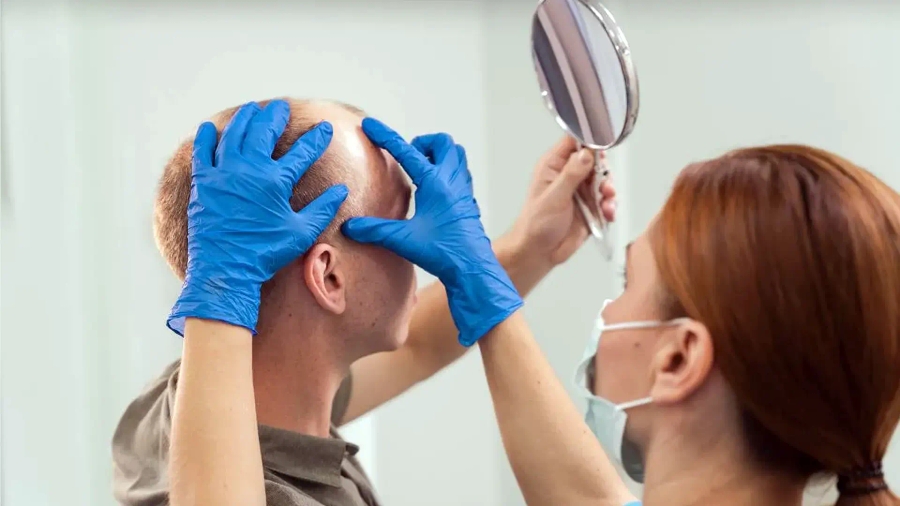
Hair restoration surgery is a life-changing procedure for individuals experiencing hair loss or thinning hair, This advanced medical intervention can restore not only hair but also confidence and self-esteem. At Storax Clinic, we specialize in providing cutting-edge hair restoration solutions tailored to meet the unique needs of each patient.
In this article, we will explore the different types of hair restoration surgery, various hair transplant techniques, the benefits of undergoing such procedures, and what to expect during the recovery phase.
Types of Hair Restoration Surgery
1- Direct Hair Implantation (DHI)
Direct Hair Implantation (DHI) is a refined technique where hair follicles are implanted directly into the thinning area using a specialized tool. This method ensures precise placement and angles for a natural look.
2- Follicular Unit Extraction (FUE)
Follicular Unit Extraction (FUE) is a minimally invasive technique where individual hair follicles are extracted directly from the scalp and transplanted to the desired area, This method leaves minimal scarring and has a shorter recovery time compared to FUT.
3- Scalp Reduction
Scalp reduction is a surgical procedure that involves removing the bald portion of the scalp and stretching the hair-bearing areas to cover the removed scalp, This method is less commonly used today due to advancements in FUT and FUE techniques.
Hair Transplant Techniques
1- Direct Hair Implantation (DHI)
Direct Hair Implantation (DHI) is a refined technique where hair follicles are implanted directly into the thinning area using a specialized tool. This method ensures precise placement and angles for a natural look.
2- Robotic Hair Transplant
Robotic hair transplant technology utilizes a robot to assist in the extraction and placement of hair follicles, This method enhances precision and reduces human error, making the process faster and more efficient.
3- Platelet-Rich Plasma (PRP) Therapy
PRP therapy involves using the patient’s own blood to stimulate hair growth, The blood is processed to extract platelets, which are then injected into the scalp to promote healing and growth of hair follicles.
Benefits of Hair Restoration Surgery
Undergoing hair restoration surgery offers numerous benefits, including:
- Permanent Solution: Hair restoration surgery provides a long-term solution to hair loss.
- Natural Results: Advanced techniques ensure that the transplanted hair blends seamlessly with existing hair.
- Improved Confidence: Restoring hair can significantly boost self-esteem and overall confidence.
- Minimal Downtime: Modern hair restoration techniques have a quick recovery time, enabling patients to resume their routine swiftly.
Hair Restoration Surgery Recovery
Recovery from hair restoration surgery varies depending on the technique used, Generally, patients can expect:
- Initial Healing: The first few days involve healing of the donor and recipient areas, with some swelling and discomfort.
- Hair Shedding: Transplanted hair may shed within the first few weeks, which is a normal part of the process.
- New Growth: New hair growth typically begins within 3-4 months, with full results visible after 9-12 months.
- Follow-Up Care: Regular follow-up appointments are crucial to monitor progress and ensure optimal results.
FAQs about Hair Restoration Surgery
Written by
vineed